Establish the baseline
Understand the vehicle’s starting point and identify concerns before asking it to produce more.
ECU TUNING · BLOEMFONTEIN
Vehicle-specific ECU tuning backed by serious investment in our workshop, in-house software development and our own calibrated dynamometer.
Discuss your vehicle See what goes into your tune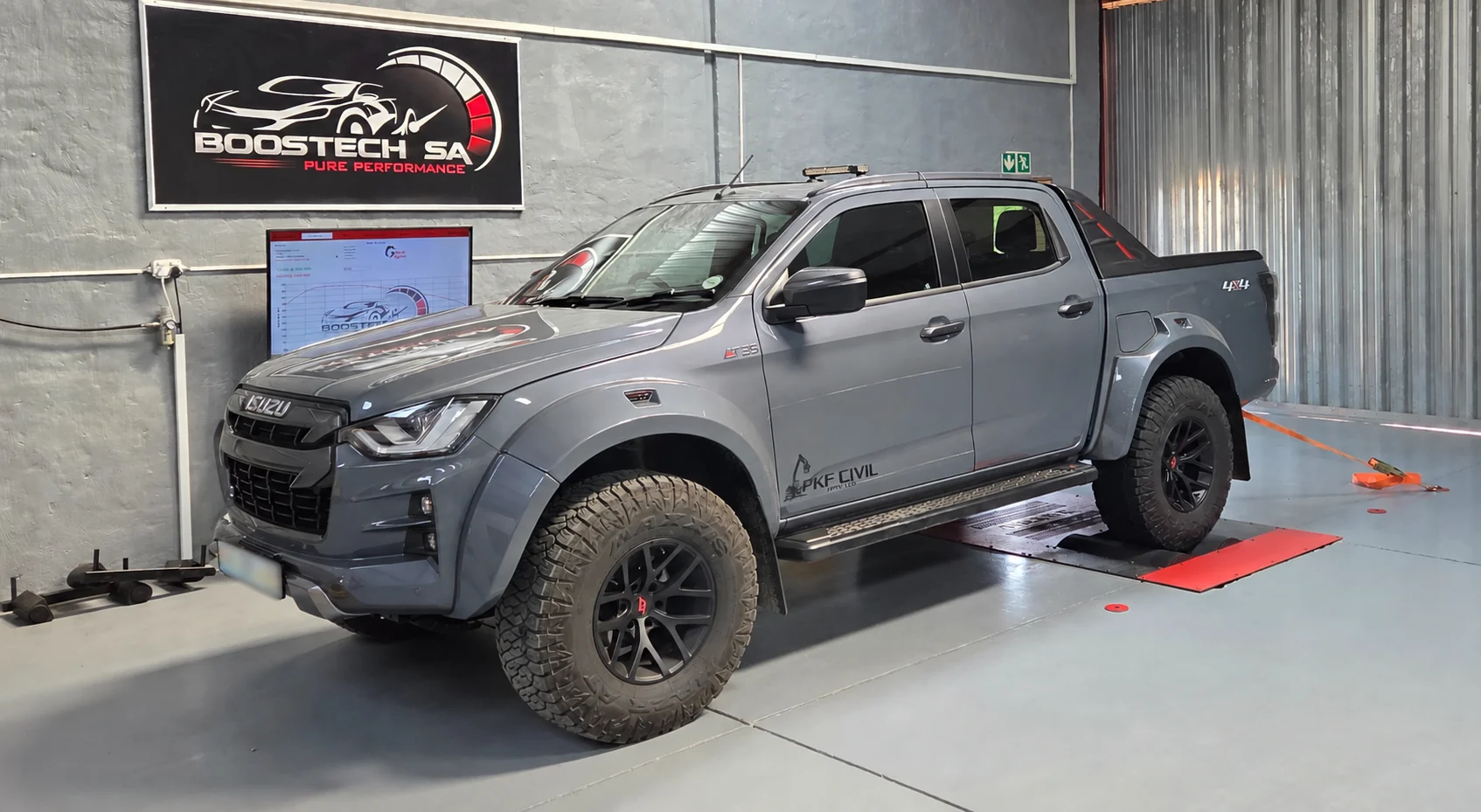
THE INVESTMENT BEHIND THE RESULT
We have invested heavily in the equipment, workshop facilities and development time needed to understand what a calibration actually does.
At Boostech Bloemfontein, our own calibrated dynamometer is part of that process. It gives us a controlled environment to measure output, assess the shape of the torque curve and refine the way an engine delivers its performance.
In-house development means working through the details: identifying the ECU and software version, understanding the vehicle’s hardware, evaluating changes and checking the result. The goal is useful performance you can feel in everyday driving, towing and touring.
Our local development is supported by the wider Boostech network’s shared experience across engines, software versions and operating conditions.
MEASURE. UNDERSTAND. REFINE.
A peak power figure is one part of the picture. How the engine makes that power matters just as much.
Understand the vehicle’s starting point and identify concerns before asking it to produce more.
Evaluate calibration changes using repeatable testing, supported by the diagnostic data available for the application.
Assess torque delivery, response and consistency across the working range, alongside the vehicle’s mechanical limits and intended use.
PERFORMANCE WITH A PURPOSE
A calibration matched to your engine can improve acceleration and make its usable torque easier to access, with progressive delivery at the pedal.
Focus on the part of the rev range you use under load. Engine torque delivery and transmission behaviour are considered together where the platform supports it.
Better use of the engine’s working range may help fuel economy at comparable loads and speeds. Actual consumption depends on the vehicle, route and how you drive; savings are not guaranteed.
BAKKIES. SUVS. TURBOCHARGED CARS.
Hilux, Ranger, D-Max, Land Cruiser and compatible passenger vehicles, including selected Audi, BMW and Volkswagen applications.
We confirm support for the exact engine, ECU, software version and transmission. The same badge or engine capacity does not always mean the same calibration.
Check compatibility for your vehicle →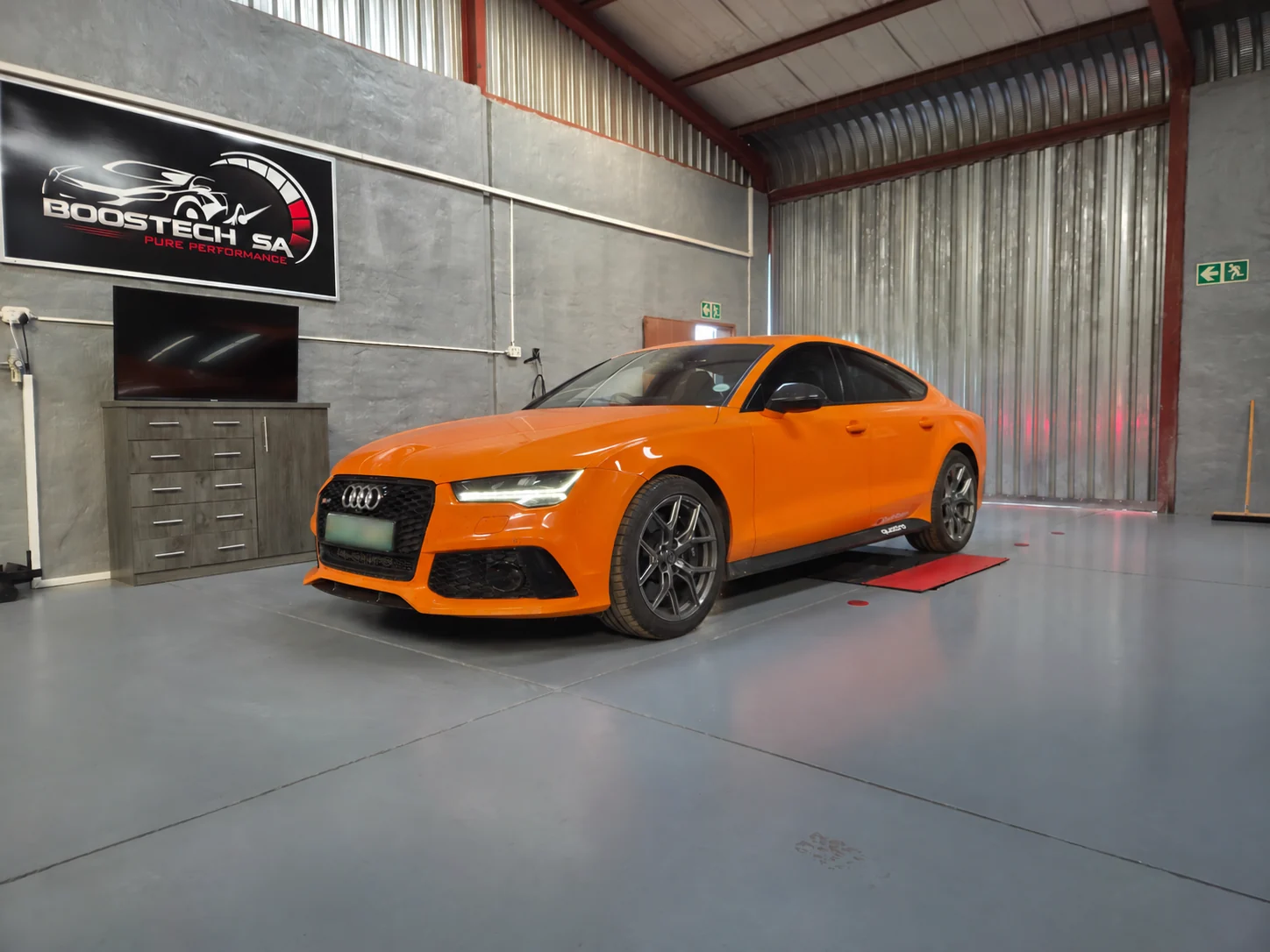
FROM ENQUIRY TO HANDOVER
Share the year, make, model, engine, transmission, location and what you want to improve.
Discuss the vehicle’s condition, existing modifications and any warning lights. Confirm compatibility and the proposed work before booking.
Match the software to the application, develop or refine where needed and verify the outcome using the agreed testing process.
We explain the work completed, the vehicle’s requirements and any follow-up advice relevant to your setup.
YOUR QUESTIONS
ECU tuning changes the software calibration that controls the engine. On a compatible vehicle, coordinated changes to torque request, air and fuel control can improve usable performance and response. The correct approach depends on the engine, ECU, transmission and hardware.
It gives us a controlled, repeatable environment for development and comparison. We can evaluate the torque curve and power delivery while refining a calibration, instead of judging the result only by a peak number or how fast the vehicle feels.
The testing plan is agreed for the specific vehicle and the work required. Development, fault investigation and modified setups can have different requirements from a supported application using established development. Ask us what testing and reporting your quote includes.
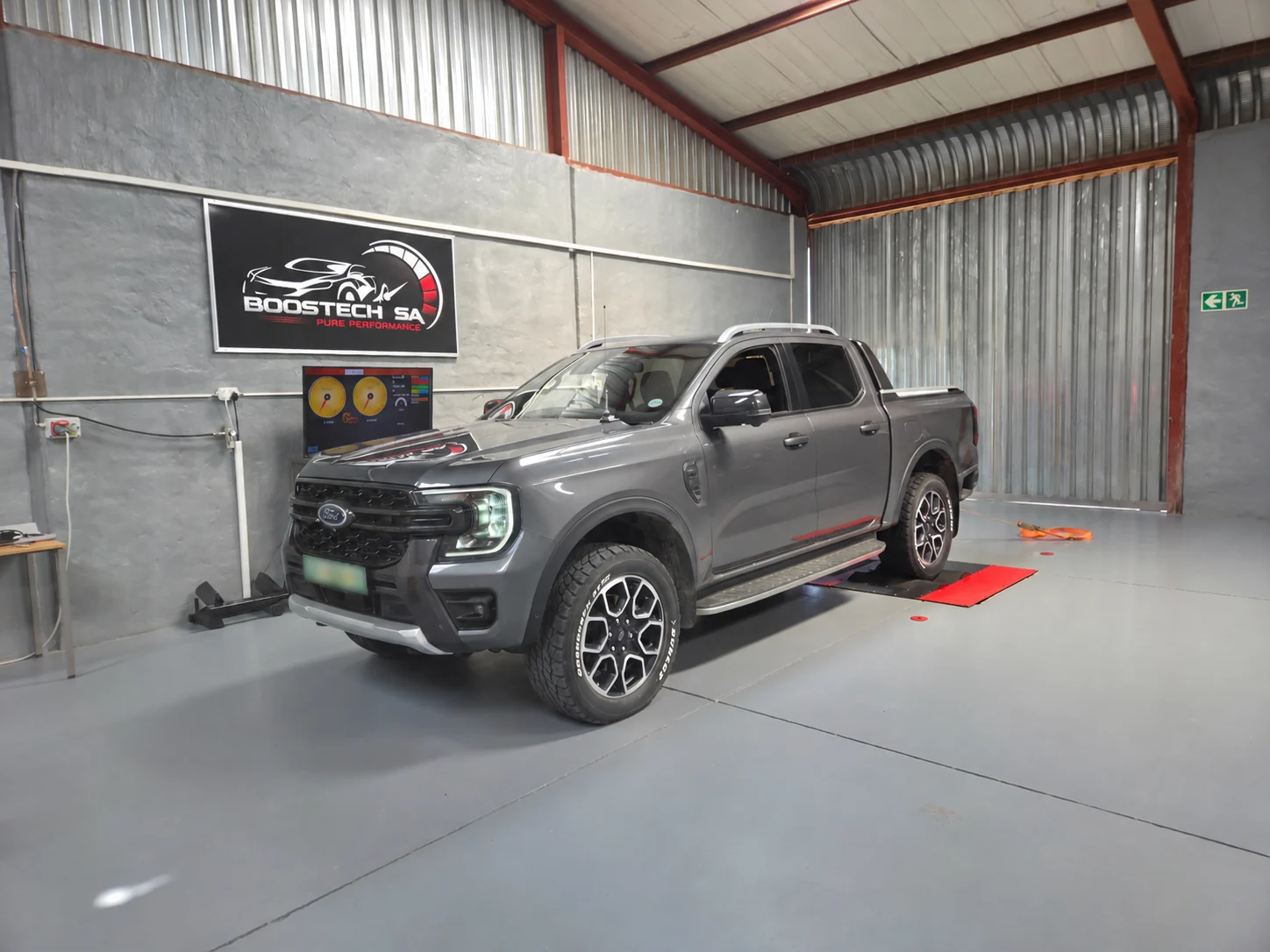
We confirm a realistic target once we know the exact vehicle and setup. Fuel, condition, ECU version and hardware all affect the outcome. Photographs show workshop applications; they are not promises of a particular power figure.
Yes. Tell us how the vehicle is used so that the proposed calibration can focus on useful torque, progressive response and suitable delivery under load. Gearbox-related changes depend on the platform and available ECU or TCU support.
Many compatible, mechanically standard vehicles can use an appropriate Stage 1 calibration. Hardware requirements are assessed individually. If the vehicle is already modified, the software must be matched to that setup.
Include any warning lights, symptoms, tuning boxes or existing software in your enquiry. Mechanical faults need proper assessment; a remap is not a repair for a boost leak, worn component or transmission problem.
Complete the enquiry form with your vehicle details and typed location. Choose WhatsApp or email, review the prepared message and send it to Pieter. Compatibility, the proposed work and pricing are confirmed before booking.
BOOSTECH BLOEMFONTEIN · FREE STATE
Tell Pieter what you drive and what you would like to improve. Complete the form to prepare your workshop enquiry, then review and send it in your chosen app.